Slot machines are not all created equal, and one major distinction that affects gameplay and potential winnings is the type of jackpot: progressive or fixed. Understanding the differences between these two options helps players make informed decisions about risk, strategy, and entertainment value. Each type has its own advantages and trade-offs, and selecting the right slot depends on your goals and play style.
Jackpots are a key driver of engagement in slot games. While progressive jackpots can offer life-changing sums, fixed jackpots provide predictability and consistent payouts. Analyzing the mechanics, probabilities, and strategic implications of each type can enhance both enjoyment and long-term outcomes for players.
What Are Progressive Jackpot Slots?
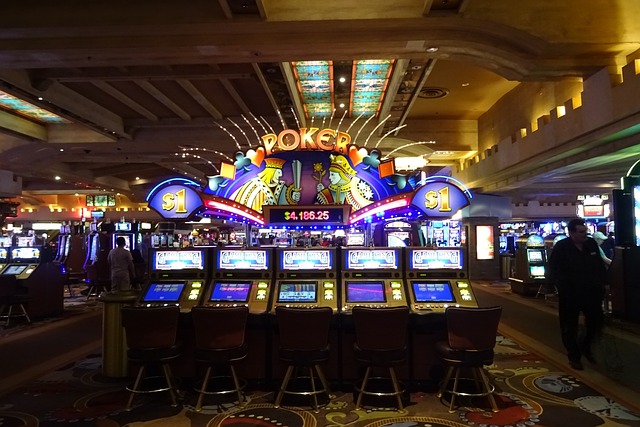
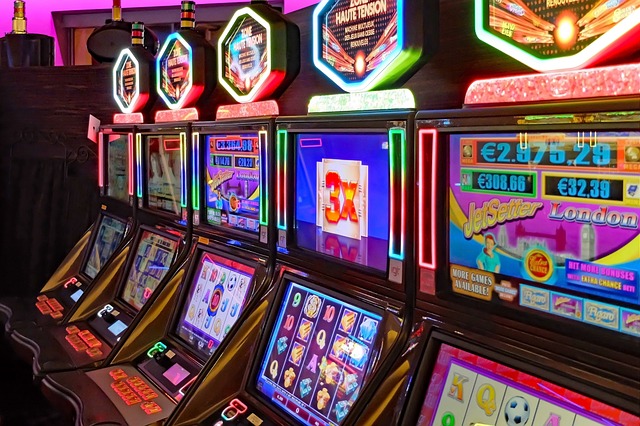
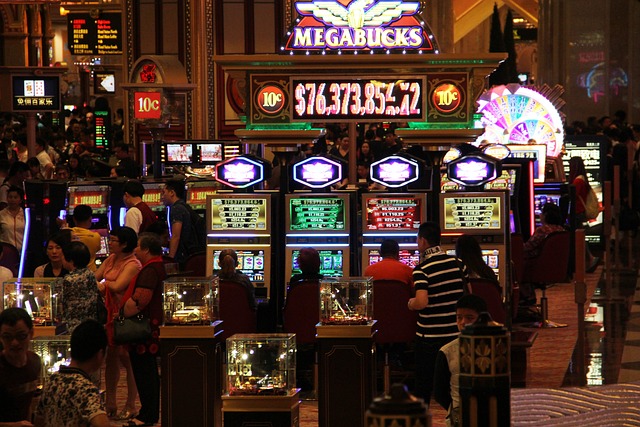
Progressive jackpot slots feature a prize that increases every time a player spins the game without winning the top prize. These jackpots often accumulate across multiple machines, sometimes spanning different casinos, resulting in massive, multi-million-dollar pools. The excitement of chasing a growing jackpot is a major draw for many players.
Progressive slots usually require a maximum bet to qualify for the jackpot. While the potential payout is enormous, the odds of winning the top prize are extremely low, often in the millions to one. Smaller prizes may be awarded along the way, but the primary appeal lies in the chance to win a life-changing sum.
Pros and Cons of Progressive Slots
| Pros | Cons |
|---|---|
| Potential for huge, life-changing payouts | Extremely low odds of hitting the jackpot |
| Exciting gameplay due to growing prize pools | Often higher minimum bets required |
| Can be linked across multiple machines/casinos | More variance, meaning bigger swings in bankroll |
| Bonus rounds may add engagement | May encourage chasing losses due to jackpot allure |
Progressive slots are best suited for players seeking high-risk, high-reward gameplay and who can handle longer losing streaks without overspending.
What Are Fixed Jackpot Slots?
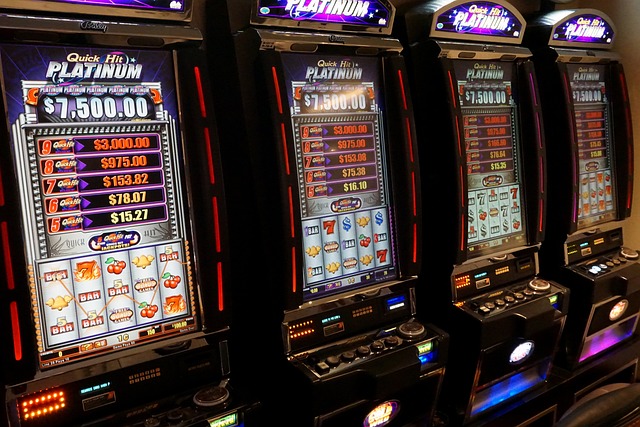
Fixed jackpot slots offer a predetermined top prize, which remains constant regardless of the number of spins or players. The payout is typically smaller than a progressive jackpot but comes with higher odds of winning, making it a safer choice for consistent play. Fixed jackpots also allow players to play smaller bets while still having a chance at a significant win.
These slots often feature clear payout structures and bonus rounds that are easier to understand and predict. Players looking for steady entertainment without extreme variance tend to prefer fixed jackpot slots.
Pros and Cons of Fixed Jackpot Slots
| Pros | Cons |
|---|---|
| Higher probability of winning smaller jackpots | Prize amounts are limited |
| Lower betting requirements, accessible to casual players | Less excitement compared to progressive jackpots |
| Easier to manage bankroll and predict payouts | May feel less rewarding for high-risk players |
| Less variance, suitable for longer sessions | Fewer life-changing opportunities |
Fixed jackpot slots appeal to players who prioritize steady, predictable gameplay and lower financial risk.
Choosing the Right Type
Deciding between progressive and fixed jackpots depends on personal goals and risk tolerance. If your priority is chasing massive payouts and the thrill of possibility, progressive slots are the obvious choice. If you prefer consistent wins, controlled risk, and longer sessions, fixed jackpot slots are better suited.
Regardless of choice, bankroll management is critical. Progressive jackpots can tempt players to overspend chasing unlikely wins, while fixed jackpots may encourage repetitive play. Combining a clear understanding of odds with disciplined betting ensures a more enjoyable and sustainable gambling experience.
Balancing risk, entertainment value, and strategy helps players select the jackpot type that best aligns with their objectives, ensuring both fun and informed decision-making.